Useful Tips to Manage a Remote Team

COVID-19 showed that most of the office workload could be done remotely. Moreover, there are many good reasons to work with a remote team:
· higher flexibility;
· no geographical limits;
· money savings;
· higher productivity.
However, many companies don’t know how to keep remote teams engaged. Yet our company shifted to remote working, so we already know some tricks. Thus, we are going to tell you:
· how to manage a remote team;
· how to communicate with remote teams;
· how to motivate a remote team.
Software Is a Key Necessity
The concept of the remote team has many unique features and necessities:
· you have to set some rules and schedule;
· it is obligatory to create group chats;
· you need to conduct face-to-face meetings.
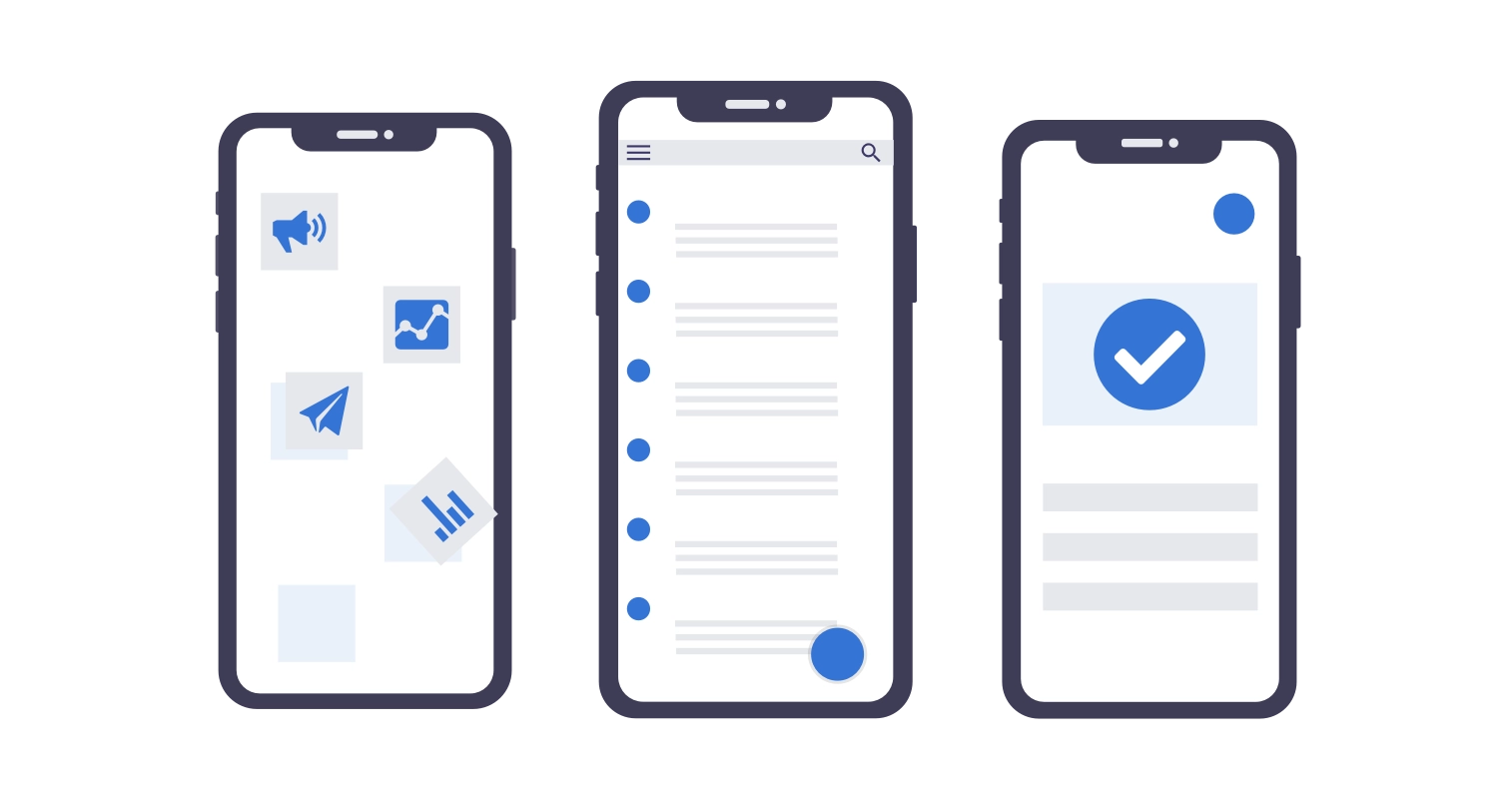
This list is very long. Probably, you have such a list in your notebook. Yet there is still a problem of how to manage your team remotely. As you may have guessed, all the problems can be solved with appropriate software.
You may choose one of the following models:
1. Use a separate program for each purpose.
2. Use an “all-in-one” application.
Nonetheless, it is important to get the software designed especially for your needs.
What Software Is Needed
It is very important to understand how to effectively manage a remote team. Many companies usually choose the wrong software or pick unnecessary programs. Thus, we usually discuss the client’s goals before developing software for their company.
Task Management System
Probably, the very first program should be a good task manager. Many companies use it even in the office, so it is irreplaceable for remote teams due to such reasons:
· a guarantee of high productivity;
· the best way to divide duties;
· clear visualization of the workflow;
· tracking the time required for each task.

A task management system provides the opportunity to control the whole workflow from appointing the performer to checking and revision.
We develop task management software for different teams such as developers, marketing specialists, sales managers and others. In this case, we define the problem, team size, and the purposes of future software. Moreover, we discuss special features for each company to design the most appropriate solution.
Messenger
Communication is a key part of the working processes. Despite a proper technical task in a task management system, there may still be some points to discuss. Moreover, tasks aren’t a single aspect business processes are built on. Discussions on numerous points are crucial for:
-
Communication within a team;
-
Communication between different teams;
-
Instant messaging on urgent issues;
-
Talking over non-working subjects (news, meeting, birthdays, etc.).
Of course, you may choose WhatsApp, GroupMe, Telegram, or other messengers. However, remote teams often need many chat rooms for different projects and departments. Thus, it is better to create appropriate channels in the company’s chatroom, rather than create new room for each purpose. That is why many companies ask for developing a special messenger for their teams.
Security is an important point here as well. A messenger developed especially for your business needs is the only secure option as it can be stored on your server.
Time Tracker
As it was mentioned, task management software can be used to track the time spent on different tasks. Yet it is not enough for remote teams. In some cases, companies set the hourly rates. Thus, they need tools to control the employee.
That is why we develop special time trackers as separate software. They have the following functions:
-
automatically make screenshots of an employee’s screen;
-
track working/productive hours;
-
send notifications (e.g. for missed check-in);
-
provide automatic reports of total time spent on a project.
Very often customers want to control the project process. That’s when a separate panel with special functionality may be added. Thus, you may have one software solution both for your remote team and customers.
How to Motivate a Remote Team
In the office, heads of departments and teamleads can speak with employees, initiate different challenges, and even create some games connected to workload. Yet it is more difficult to motivate remote employees. Usually, salary is not enough. It encourages finishing tasks within the deadline, but there are still lots of aspects that need regular improvement. Gamification of work may solve this problem. For instance:
1. You create a mobile application for a remote team.
2. After completing each task, an employee gets points. The amount of points depends on such factors as speed, efficiency, quality and so on.
3. After finishing the project (or sprint), you can count points and make a table of leaders.
4. The best employees (e.g. top 3 employees) get a prize.
However, there should be some tricks in such a game. Firstly, you have to name the prize for each place and for each project. Usually, if a person doesn’t know the reward, they are less motivated. Secondly, change the prizes from sprint to sprint (from project to project). Finally, create a list of penalties for wrong actions (missing the deadline, completing the task in an appropriate way, etc.)
You may say that application is unnecessary for such a concept. Yet imagine that you have a team of 15 employees (or even more). You have to control everybody, add information to the table, count points and so on.
While such an application may be integrated with a task management system and time tracker. Thus, the application automates all the procedures. If you’re up to developing a corporate messenger or a custom app for your needs only, there may be a certain section for motivation, say a shout-out section or something.
The Final Insight
Remote working becomes more and more popular. Many companies even ignore offices to save their budget. Yet it can be possible only in one way. You need good software to organize the whole workload, manage the remote team and motivate them. Let programs and applications make your remote working easy and effective!