QA Testing Companies for SaaS: Compare Four Options
Choose QA testing companies for SaaS by the responsibility you need them to take. a1qa, QATestLab and QA Tech Xperts publish SaaS-specific testing services. Powercode Group is a staffing option when your team can direct the work and needs additional engineering capacity. Compare the proposed test scope, release evidence and ownership before comparing fees.
This comparison is published by Powercode Group and uses the suppliers’ own service descriptions checked on 2 November 2026. The shortlist groups different service focuses; it does not award a universal winner.

Four options, with different buying questions
| Company | Published focus | Question for your brief |
|---|---|---|
| a1qa | SaaS test automation and performance testing | Which product risks need specialist coverage? |
| QATestLab | Functional, API, regression and other SaaS testing | Which environments and test types are included? |
| QA Tech Xperts | Release-gated automation, tenant isolation and subscription flows | How will checks fit the release pipeline? |
| Powercode Group | Engineers integrated into a buyer-led team | Who directs QA and accepts the release? |
a1qa: a specialist SaaS testing scope
a1qa’s SaaS testing page describes automation and a range of performance tests, including load, stress, recovery and scalability testing. Its published engagement options include team augmentation, dedicated QA teams and managed testing. This makes the service model an important part of the enquiry.
Ask for a proposed scope against your application’s risks. A buyer with a slow, heavily used reporting feature needs different acceptance evidence from a buyer whose main concern is a subscription upgrade. Request the test assumptions, data requirements and handover deliverables in the proposal.
QATestLab: a broad SaaS test matrix
QATestLab lists SaaS testing across functional, regression, API, integration, compatibility, accessibility, localisation, usability and performance work. Its page also describes documented, reusable automated suites that the buyer can maintain.
Use that breadth to build a precise matrix. Name the browsers, integrations, user roles and environments that matter to your product. Ask which checks the supplier proposes to automate, which need human judgement, and how your developers will reproduce a reported defect. Confirm where test code and maintenance instructions will live.
QA Tech Xperts: automation around SaaS release risks
QA Tech Xperts’ SaaS page highlights regression checks in the delivery pipeline, API contracts, tenant isolation, role permissions and subscription changes. It names Playwright for regression coverage.
Consider this focus when your shortlist depends on recurring product changes and the boundaries between accounts. Ask the supplier to explain how a failing check would stop or inform a release, how unstable tests would be handled, and who investigates failures. A tool name alone does not show how well the proposed checks cover your product.
Powercode Group: capacity inside your delivery process
Powercode Group’s staff augmentation is relevant when your CTO or engineering lead owns priorities and needs engineers to work within the existing team. Bring a QA role brief covering the application, test stack, first responsibilities and review owner.
Compare this route with a managed testing proposal by making responsibilities explicit. Agree who maintains the test strategy, prepares environments, reviews defects and recommends release. Staffing can add capacity; the agreement must state any responsibility you expect the supplier to take beyond supplying engineers.
Give every supplier the same SaaS risk brief
Write one page before requesting proposals. State the product’s most important user journey, release frequency, architecture and current failure concern. Add the environments and access you can provide. Use sanitised test data where possible and define who approves access to sensitive systems.
For example, a hypothetical subscription product might need evidence that a user can upgrade a plan without gaining access to another customer’s records. That single journey connects billing, permissions, tenant boundaries and regression. Ask each supplier to show its proposed approach to that journey instead of sending a generic testing checklist.
“For SaaS QA, keep testing priorities and release acceptance with a named owner. In the CENDAS case, the client retained product and technical direction when Scorpion Power’s four Full-Stack Engineers joined its teams. Make that responsibility split explicit when adding QA capacity.”
Maciej Nasalski, Head of the Commercial Department at Powercode Group
Compare the evidence you will keep
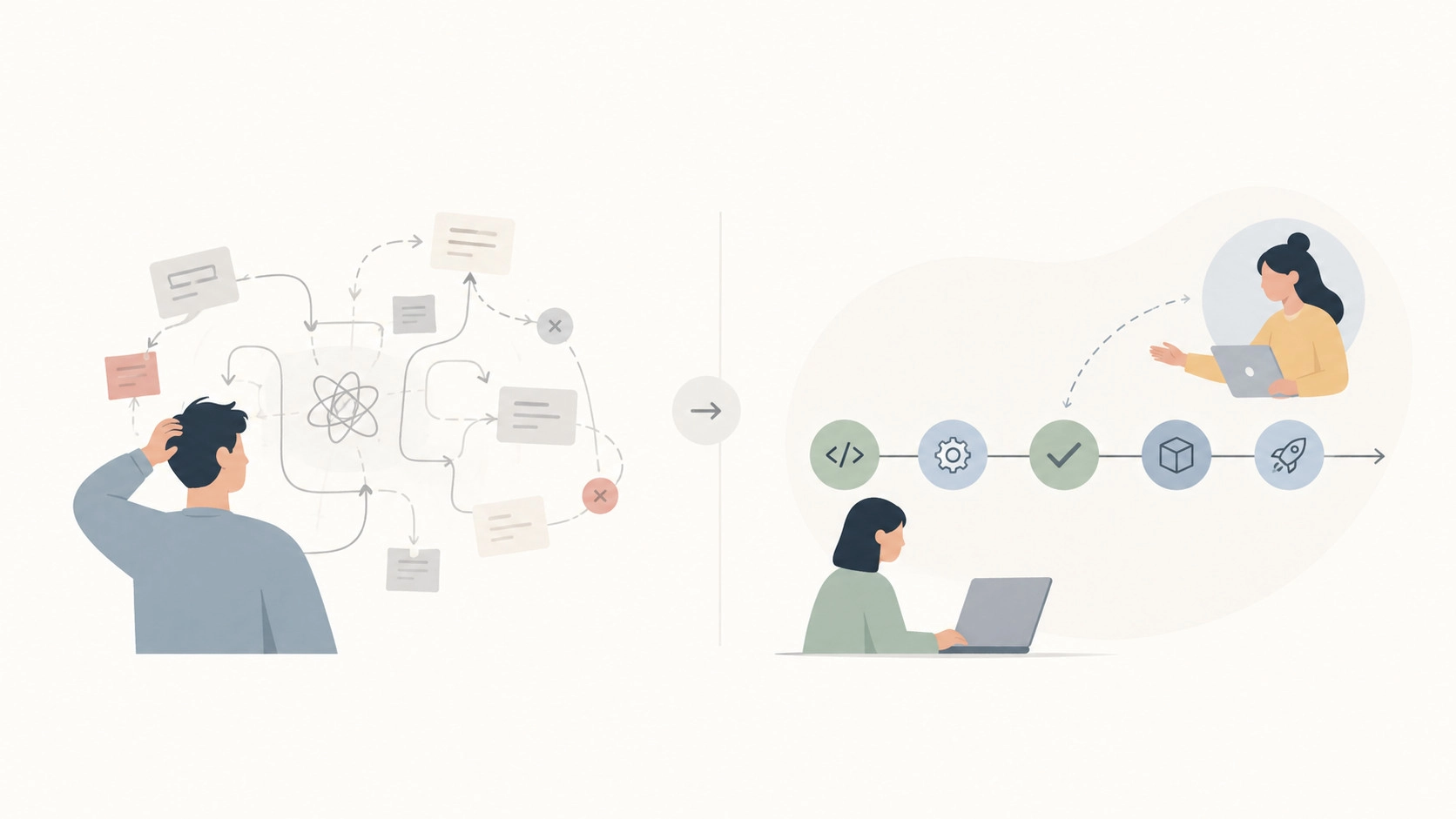
A useful proposal should identify the tests and reports you receive, where the automated suite is stored, who maintains it and how failures reach your team. Ask how coverage decisions change when a feature or integration changes. Agree the release recommendation and the person who makes the final decision.
For the wider engagement and commercial checks, use our QA outsourcing services guide. If you are still deciding whether capacity is the problem, start with when to hire a QA engineer.
When your team can own delivery and needs additional engineering capacity, send Powercode Group the role brief, application context and first QA task. That gives both sides a concrete basis for discussing fit and allocation.