Cloud Cost Optimization: A Practical Engineering Guide
Cloud bills rarely grow because of one spectacular mistake. They grow through thousands of small decisions: oversized compute, idle environments, unattached storage, weak ownership, and discounts bought before demand is understood. Effective cloud cost optimization turns those decisions into an engineering discipline. It reduces waste without weakening reliability, security, or delivery speed.
This guide explains how to build a repeatable cloud optimization strategy, choose the right controls, and decide when tools or external cloud and DevOps engineering support will create value.
What cloud cost optimization actually means
Cloud cost optimization is the continuous practice of matching cloud resources and commercial commitments to business demand. In practice, cost optimization in cloud computing is broader than a one-time cost-cutting exercise. A good program connects finance, engineering, product, and procurement around shared data and decisions.
The FinOps Framework describes this as an iterative cycle: understand usage and cost, quantify business value, optimize usage and cost, and manage the practice. The point is not to produce the smallest possible bill. The point is to buy the right level of performance, resilience, and speed at an acceptable unit cost.
Start with allocation and unit economics
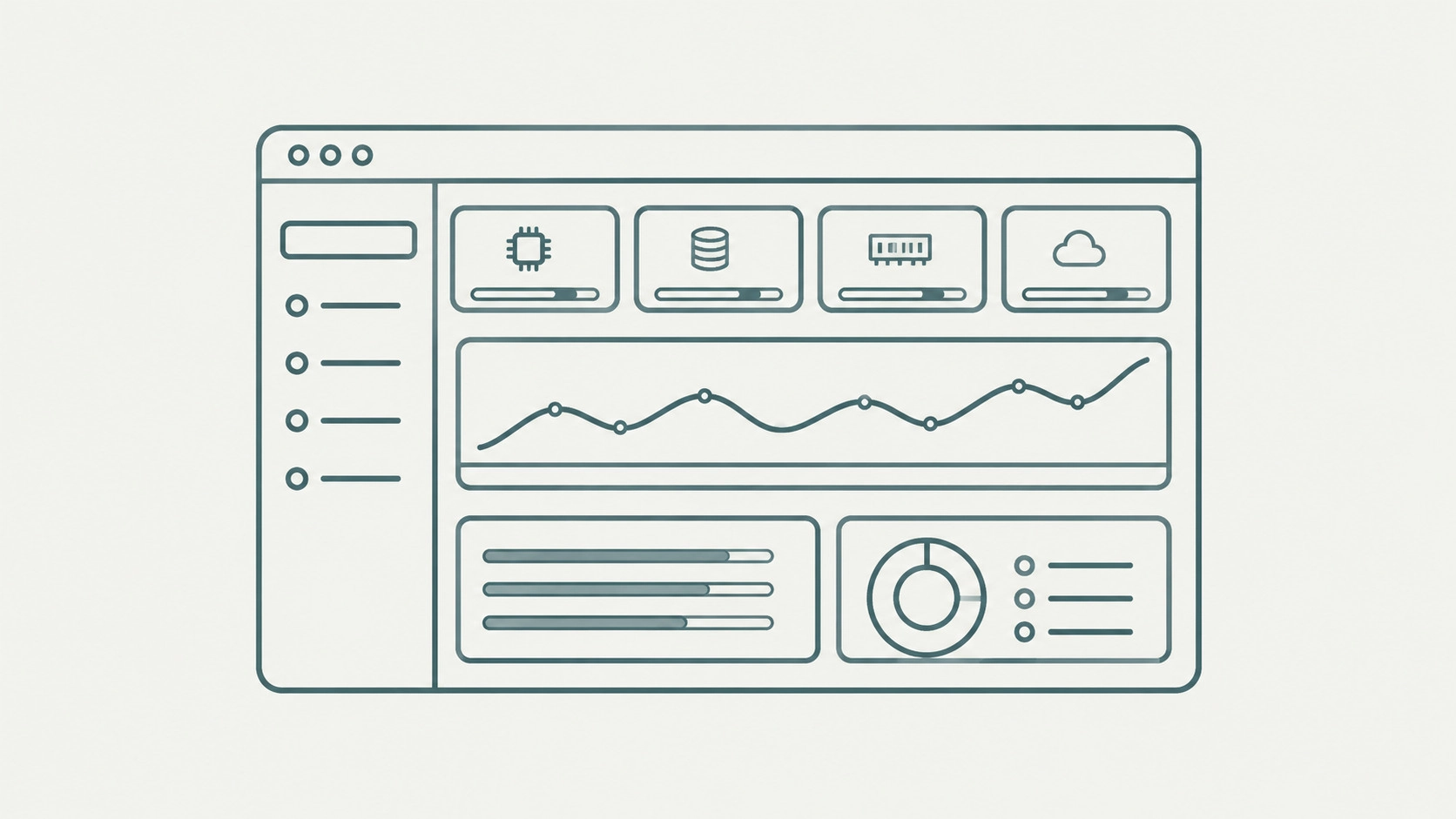
You cannot manage what nobody owns. Before rightsizing resources, establish a reliable allocation model. Require tags or labels for the product, environment, team, cost center, and owner. Map shared services such as observability, networking, and security to a documented allocation rule.
Then add business context. Total spend alone can rise while efficiency improves. Track a unit metric that reflects the workload, such as cost per active customer, transaction, API call, inference, order, or processed gigabyte. This lets teams distinguish healthy growth from deteriorating efficiency.
- Coverage: what share of spend has a valid owner and product?
- Efficiency: how does cost per business unit change over time?
- Waste: how much spend is idle, orphaned, or outside policy?
- Commitment: what share of stable usage is covered by appropriate discounts?
- Reliability: did an optimization change error rates, latency, or availability?
Teams planning broader platform work can use the same ownership model when hiring a DevOps engineer or defining responsibilities for an external delivery partner.
A practical cloud cost optimization process
1. Build a trustworthy baseline
Export billing and usage data at the most useful level your provider supports. Reconcile it with invoices, discounts, credits, marketplace purchases, and shared charges. Separate production, staging, development, and experiments. Agree on a baseline period and record major demand or architecture changes that could distort comparisons.
2. Remove resources that deliver no value
Look for stopped but billable instances, unattached volumes, old snapshots, unused load balancers, abandoned IP addresses, duplicate logs, dormant databases, and development environments that run continuously. Use an owner-approved workflow and a recovery window. Automatic deletion without ownership and rollback controls can turn small savings into an outage.
3. Rightsize against workload behavior
Review CPU, memory, storage throughput, network use, queue depth, latency, and error rates over a representative period. Average CPU alone is not enough. Include peaks, seasonality, failover requirements, and growth. Change one workload class at a time, validate service-level objectives, and preserve a rollback path.
4. Match capacity to demand
Use autoscaling, scheduled scaling, queue-based workers, and serverless services where the workload pattern supports them. Serverless is not automatically cheaper: high, steady utilization or long-running jobs can favor provisioned capacity. Model the actual execution profile, data transfer, and operational overhead.
5. Optimize storage and data transfer
Set lifecycle policies from access patterns and retention obligations, not arbitrary age thresholds. Compress suitable data, remove avoidable copies, and choose storage tiers by retrieval frequency and restore-time needs. Review cross-region, cross-zone, internet-egress, NAT gateway, and CDN charges. Data movement can make an otherwise efficient architecture expensive.
6. Buy commitments after usage is stable
Reserved capacity, savings plans, and committed-use discounts can reduce rates, but they exchange flexibility for a term commitment. First remove waste and understand the stable baseline. Cover conservative demand, monitor utilization and coverage separately, and do not use discounts to hide inefficient architecture.
7. Redesign the expensive paths
When operational controls reach their limit, examine architecture. Managed services, event-driven processing, caching, database changes, batching, or workload scheduling can improve unit cost. Each option changes reliability, lock-in, skills, and migration risk. The AWS Cost Optimization Pillar similarly treats cost as a design concern across financial management, resource use, demand, and continuous improvement.
Which cloud cost optimization tools do you need?
The best cloud cost optimization tools are the ones that match your operating model. Start with native billing exports, budgets, anomaly detection, and provider recommendations. Add a third-party platform when multi-cloud allocation, Kubernetes visibility, chargeback, forecasting, or workflow automation justifies the license and integration effort.
| Capability | Question to ask | Common trap |
|---|---|---|
| Allocation | Can it map shared and untagged spend? | A dashboard that reports cost but assigns no owner |
| Optimization | Does it use workload metrics and constraints? | Recommendations based only on short averages |
| Commitments | Can it model coverage, utilization, and risk? | Maximizing discounts before removing waste |
| Automation | Are approval, rollback, and audit controls built in? | Deleting resources from a recommendation alone |
| Unit cost | Can cloud data join product and revenue data? | Optimizing the invoice without business context |
A tool does not create accountability by itself. Assign owners, define decision rights, and put optimization work into the engineering backlog. If the required changes span infrastructure and application code, a custom software engineering team may be more useful than another dashboard.
Guardrails that prevent cost from returning
Make the efficient path the easy path. Encode approved instance families, storage classes, tagging rules, budget thresholds, and environment schedules in reusable infrastructure modules. Check policy in continuous integration before deployment. Route anomalies to the team that can act, with enough context to investigate.
Cost controls must respect security. Do not weaken log retention, backup coverage, encryption, or network isolation only to lower spend. Review changes with the same risk discipline used for cybersecurity engineering.
When cloud cost optimization services make sense
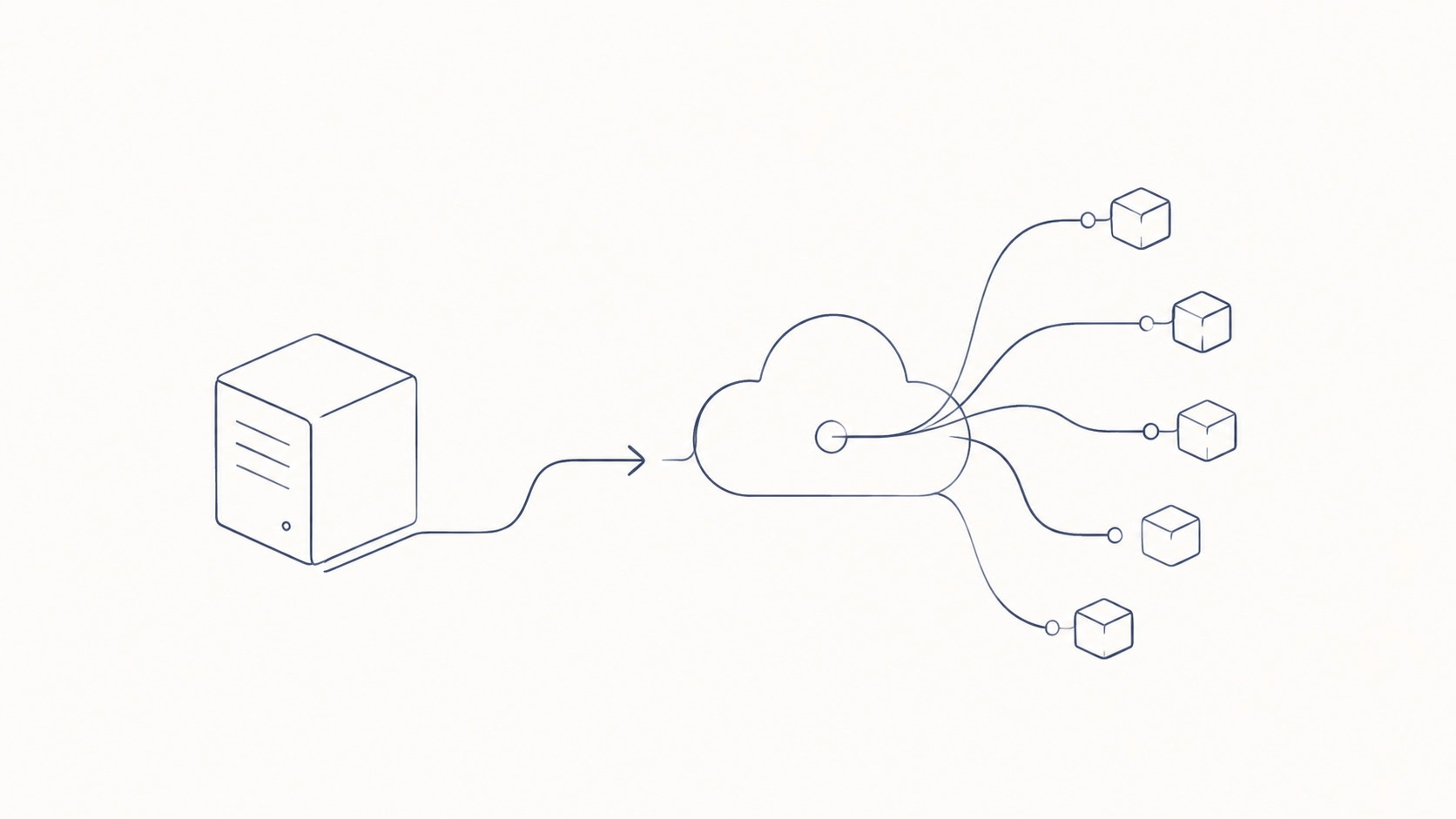
External cloud cost optimization services can help when ownership is unclear, bills span several accounts or providers, Kubernetes allocation is weak, or engineers see the waste but lack time to fix it. A useful engagement should leave you with more than a savings list.
Ask for a reconciled baseline, prioritized opportunities, assumptions, implementation effort, risk, validation method, and a durable operating model. Define savings as avoided or removed cost against an agreed baseline. Separate negotiated discounts from engineering improvements. Require access-controlled changes, rollback plans, and knowledge transfer.
Powercode Group is a fit when optimization requires hands-on changes to cloud infrastructure, delivery pipelines, observability, or application architecture. We are less useful when the need is limited to invoice negotiation or purchasing commitments without engineering work. For a broader cost model, compare this process with the factors behind software development hiring costs.
A 30-day starting plan
- Week 1: reconcile the bill, define allocation, select unit metrics, and identify the largest services.
- Week 2: remove verified idle resources and implement anomaly alerts with clear owners.
- Week 3: rightsize a low-risk workload group and measure cost plus reliability before and after.
- Week 4: review storage, data transfer, commitments, and architectural opportunities; add approved work to the roadmap.
Repeat the cycle monthly and review high-growth products more often. This is how cloud cost management and optimization becomes part of engineering rather than an emergency finance project. Teams that want to optimize cloud costs sustainably need this feedback loop more than a one-off saving target.
Discuss your cloud cost priorities
Share the workload types, billing concerns and reliability constraints with Powercode Group. We can discuss a bounded engineering review and the evidence needed to prioritize changes. Use redacted summaries first; do not send credentials or sensitive billing exports through the contact form.
Frequently asked questions
What is the difference between cloud cost optimization and cost reduction?
Cost reduction aims to lower spend. Cloud cost optimization aims to improve the value received from that spend while protecting required performance, security, and reliability. A higher bill can still be efficient if business volume grows faster than cost.
How often should a team review cloud costs?
Use automated daily anomaly detection, weekly ownership checks for material changes, and a monthly cross-functional review. The right cadence depends on spend, deployment frequency, and demand volatility.
Should we buy commitments before rightsizing?
Usually no. Remove waste and establish stable demand first. Otherwise, a discount can lock the company into capacity it does not need.
Can cloud cost optimization hurt reliability?
Yes, if teams remove capacity or resilience without testing. Treat each change like a production release: define constraints, observe service-level indicators, roll out gradually, and maintain rollback.
What should a cloud cost optimization solution deliver?
It should provide trustworthy allocation, unit-cost visibility, prioritized recommendations, accountable workflows, safe automation, and evidence that implemented changes improved cost without breaching operational constraints.