AI-Assisted SEO: An Editorial and Engineering Quality Checklist
AI-assisted SEO works best when automation supports a clear editorial process. Use it to organise research, identify gaps and prepare drafts, then verify the claims, search intent, links and published page. Publishing more text is not a substitute for answering a useful question.
Google does not prohibit content merely because AI helped produce it. Its guidance on AI-generated content focuses on quality, while its spam policies address practices such as scaled content created primarily to manipulate rankings.
Assign one purpose to each page
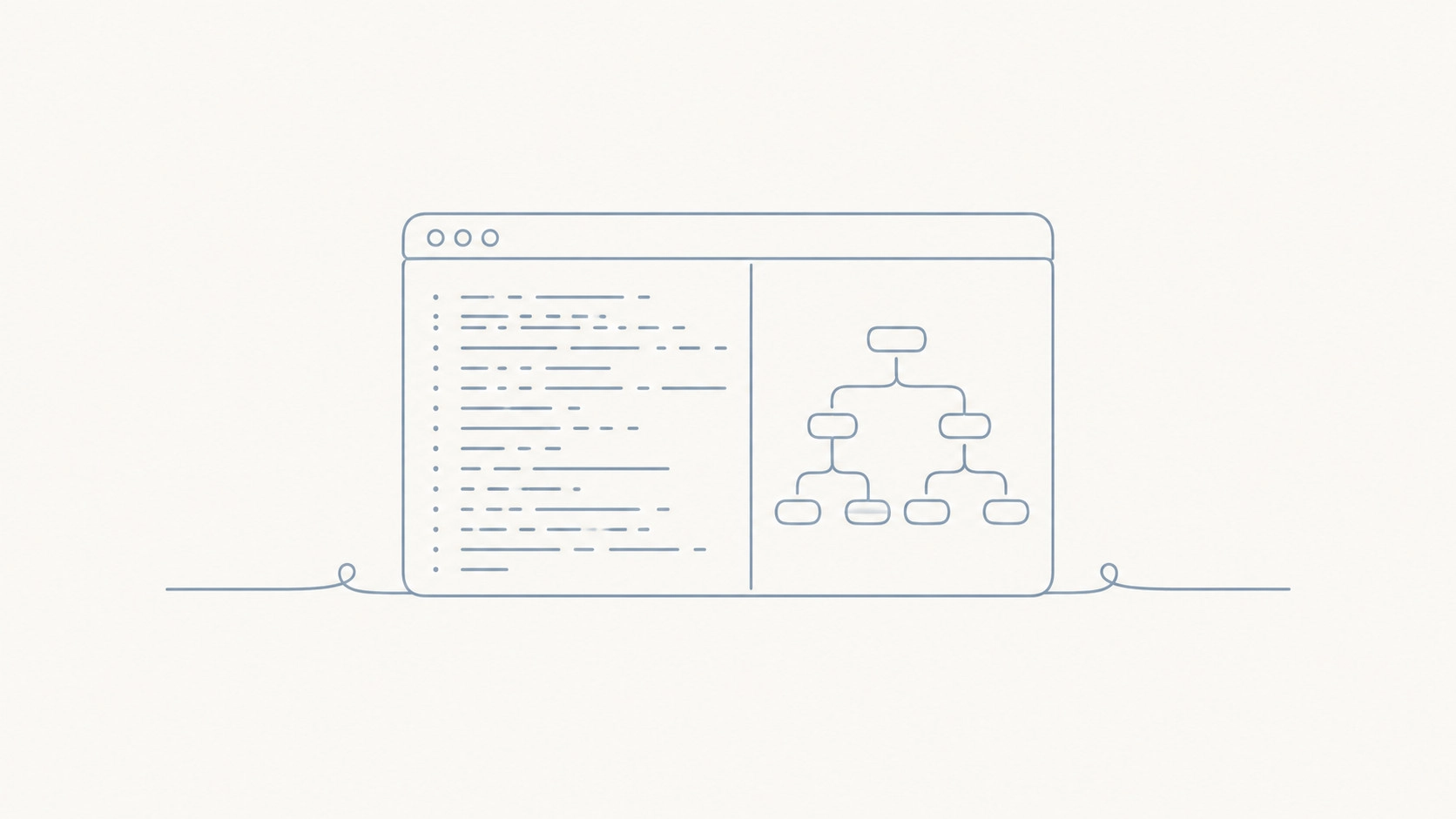
Start with the reader’s task, then compare existing articles and service pages. If two proposed pages answer the same question for the same audience, improve the existing page or define a genuinely separate purpose. Shared vocabulary alone is not proof of cannibalization.
Keep a simple map of page, primary intent and next action. Separate a buyer’s pricing question from a tutorial or recruitment query. Do not include unrelated terms just because a clustering tool returned them.
Keep sources and public content separate
Give the drafting workflow approved sources and mark uncertainty explicitly. Do not publish private roadmaps, customer details or unverified internal claims. Access controls and data minimisation matter even when the workflow uses a private knowledge store.
JSON validation can establish structure, but cannot establish truth. A perfectly formed payload can contain the wrong price or an invented feature. Use source checks, factual review and a clear approval boundary, consistent with our AI agent security guidance.
Validate the page readers and crawlers receive
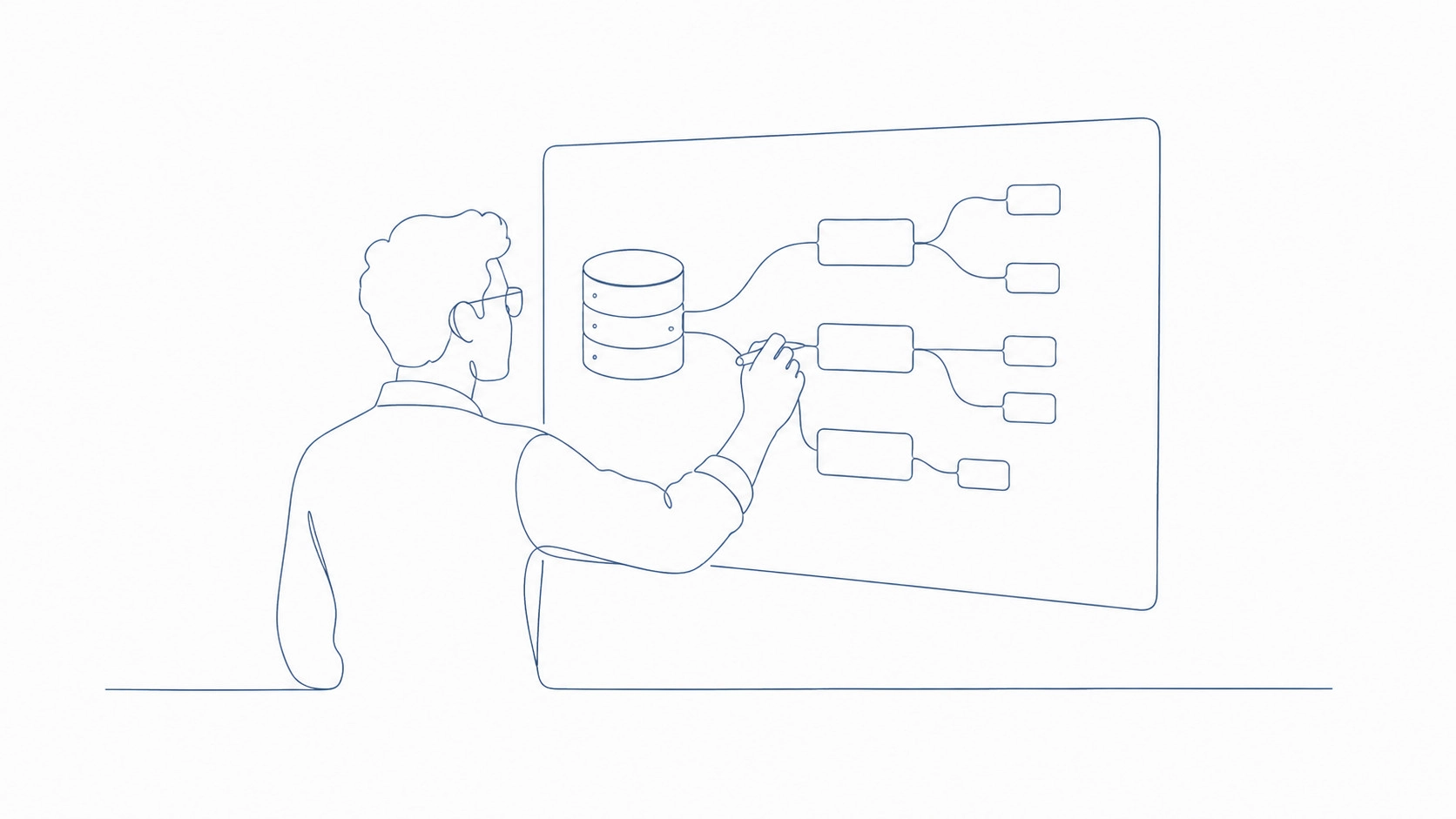
- Check that the public URL loads and has the intended indexing and canonical settings.
- Use a clear title, a logical heading structure and useful internal links.
- Confirm that descriptions and structured data match the visible content.
- Check image descriptions, source links and the primary call to action.
- Inspect the saved and published result, not only the generated draft.
Structured data can help describe a page and support eligibility for relevant search features. It is not the only route to visibility, and it does not guarantee a rich result. Follow Google’s structured-data policies rather than adding claims the page cannot support.
Choose tools your team can operate
A managed platform, CMS plugin or custom API workflow can all be appropriate. Compare exportability, review controls, maintenance and compatibility with your site. There is no blanket reason to reject plugins or assume a custom pipeline is more reliable.
Our AI integration architecture guide covers a related ownership decision. Select a system that preserves human review and makes errors visible.
Measure discovery and business outcomes separately
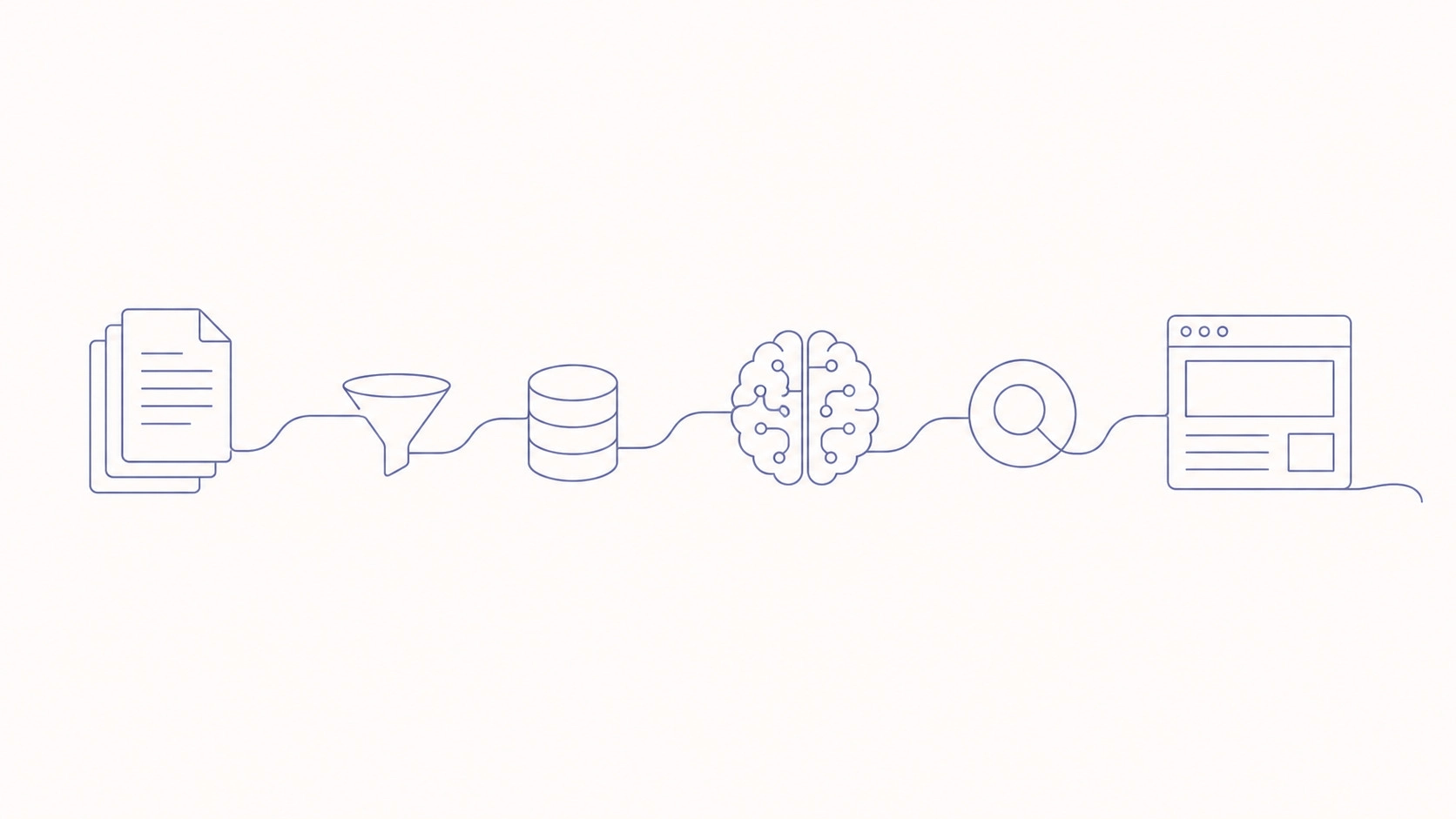
Use search data for queries, impressions and clicks when available. Use site analytics for landing visits, engagement and verified enquiries. Compare equal periods and publication ages, and record major changes. A traffic increase from one page does not establish that every topic is working.
Google recommends a generate_lead event for a submitted enquiry. Test the event against the actual successful action. A form start, button click or revisited confirmation page should not silently become a confirmed lead.
Frequently asked questions
Can AI draft metadata?
Yes. Review it for accuracy, distinctiveness and reader relevance before publishing. A rigid template is not required.
Does valid schema guarantee rankings?
No. It cannot replace useful content, accessibility or a sound site structure.
Should we publish every generated cluster?
No. Reject unrelated intent and duplicates. Sometimes updating an existing page is the better choice.
Improve the workflow before increasing volume
Powercode Group can help with the software and integrations behind a content workflow. We do not promise rankings. Describe the approval or publishing step that is failing to discuss an engineering improvement.