How to Choose an AI Agent Development Company
Give each AI agent development company the same request: change a customer’s billing contact. Ask how its proposed system would find the right account, prepare the update and get approval before writing. This is an example you can adapt to your own workflow.
The request tests whether a supplier can work with your systems and access rules. It also gives your team a concrete way to compare proposals, accept the work and take it over.
Put the account update in the supplier brief
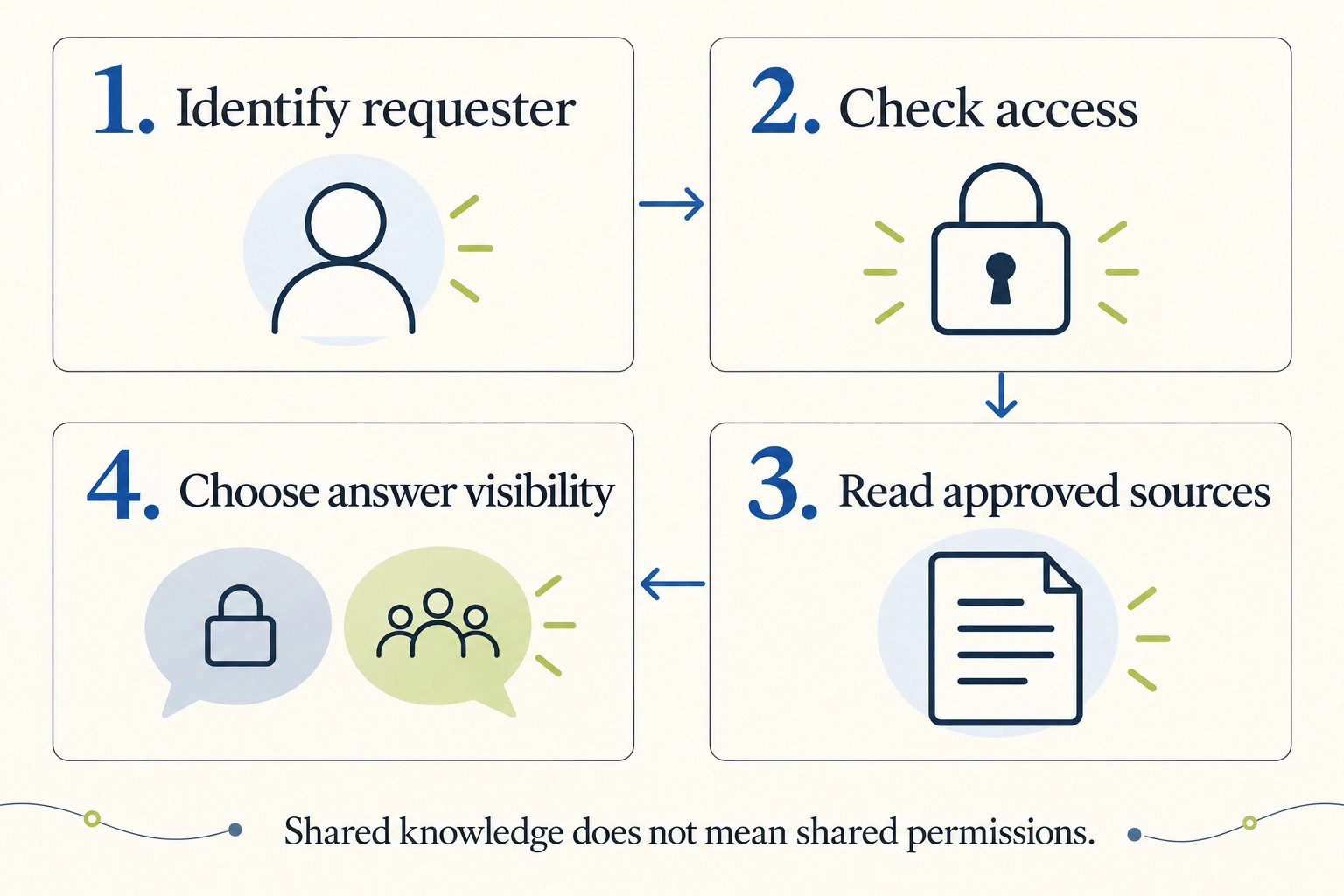
Give each supplier a sample request, the source systems and the field it may change. Name who can see the account and who can approve an update. Ask for a proposal that shows what the system would do from the first message to the final change record.
Start with the simplest implementation that can meet those requirements. A workflow with a review screen may handle the request. If the supplier proposes an agent, ask where it needs to interpret inputs or decide what to do next. See Anthropic’s guidance on building effective agents and our workflow-versus-agent guide.
Require a demonstration you can test
Ask for a reviewer screen that shows the account, the current billing contact and the proposed replacement. When the system writes the change, it should check that the account and field are in scope and that the approval still matches the proposal.
Write the expected results into the brief. Have each supplier show the result and the corresponding record of what the system did.
- Approved request. The system changes the billing contact on the intended account and records the decision.
- Out-of-scope account. The system blocks the requester from seeing or changing a record they cannot access.
- Missing information. The request goes back to a person and the record stays as it was.
- Changed proposal or account record. The system requests fresh approval before it writes.
- Timeout after a write. A retry checks the prior result before attempting another update.
Agree who judges the results and how you will retest after an integration changes. OpenAI’s evaluation guidance covers task-specific checks and human calibration. Our agent evaluation guide explains how to build a test set.
Ask the receiving team to rehearse recovery
During acceptance, ask your receiving owner to pause new writes, find a completed update in the change record and explain how they would recover the prior value. Before restoring it, have them check for a later edit and get the account owner’s approval.
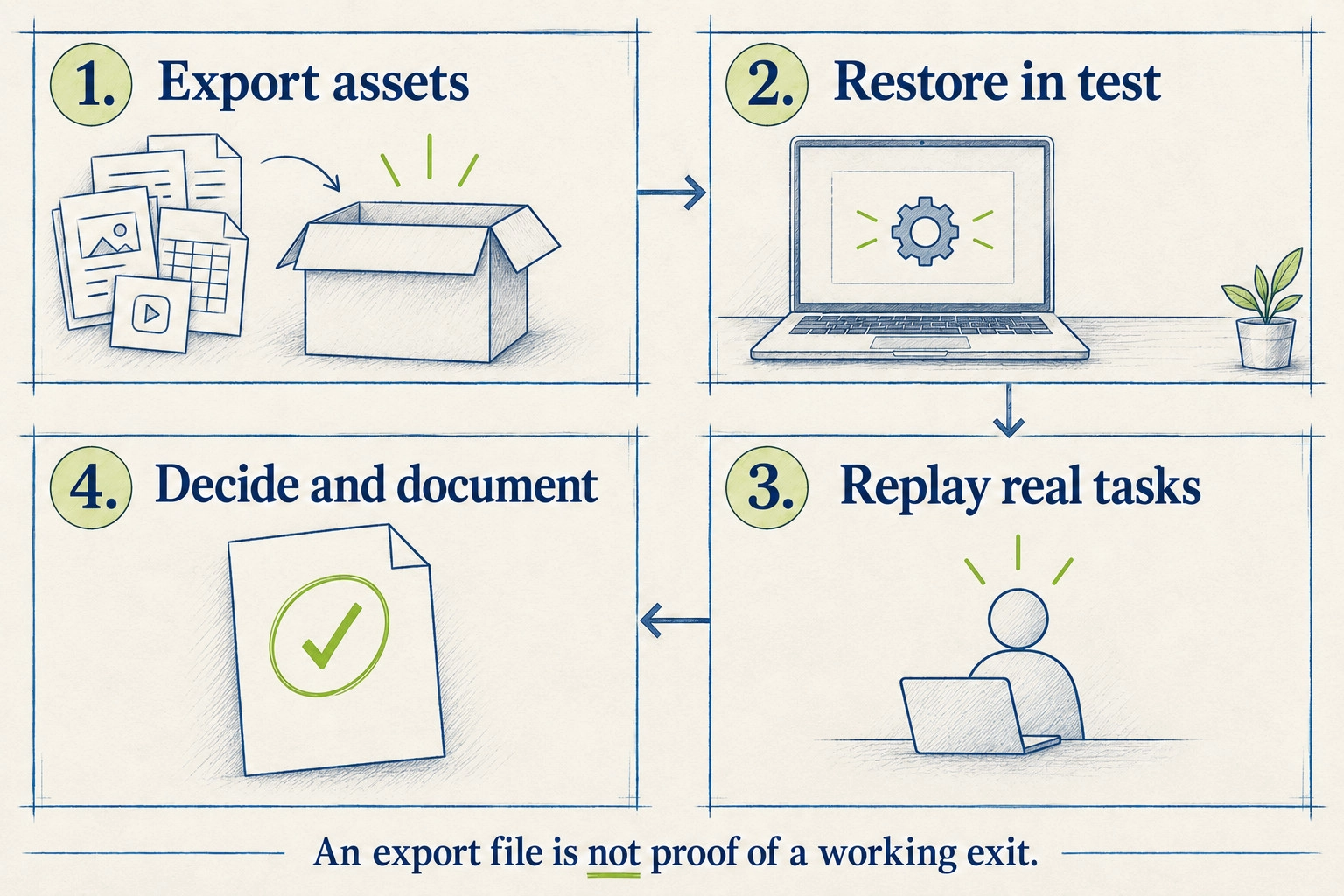
Put the repositories, integration accounts, approval rules, tests and runbook in the handover scope. Agree who handles exceptions, revokes supplier access and approves changes once the system is in use. Our agent security guide covers the technical controls behind those responsibilities.
Check who owns delivery and what the quote covers
Ask the supplier to name the person who owns the integration and the person who signs off each acceptance test. If your own lead will set the architecture and review the backlog, the AI developer hiring guide and LLM engineer guide can help you specify the role.
“In the CENDAS engagement, Scorpion Power supplied four Full-Stack Engineers, while the client retained product and technical direction. Make that distinction visible when choosing an AI development company: agree whether you are buying capacity under your lead or a supplier-owned work package, and name the decisions you retain.”
Maciej Nasalski, Head of the Commercial Department at Powercode Group
Ask for evidence of the work you are buying. In the Qube case, Powercode Group supplied one senior machine learning architect during July–December 2025. The case scope includes chatbot deployment, documentation and knowledge transfer. Use those details to ask what the proposed team would hand over for your project.
Have each supplier price discovery, implementation and ongoing support separately. Ask which assumptions drive the estimate for each line and whether model usage, hosting and your review time are included. The AI agent cost guide breaks down those costs. For checks that apply to the supplier relationship beyond the workflow, see the software engineering partner guide.
Share the workflow and acceptance checks with Powercode Group’s AI & Data Science team to discuss the build. If the work centres on models or data, see our Machine Learning service.